
When viewing an old component or a product you have received, you may notice a marking, a surface feature or a connection that differs from a photograph. Clear pictures and a simple description provide a useful starting point for discussing it. The steps below cover overall views, close-ups and keeping each image with the right product.
Keep an overall view first
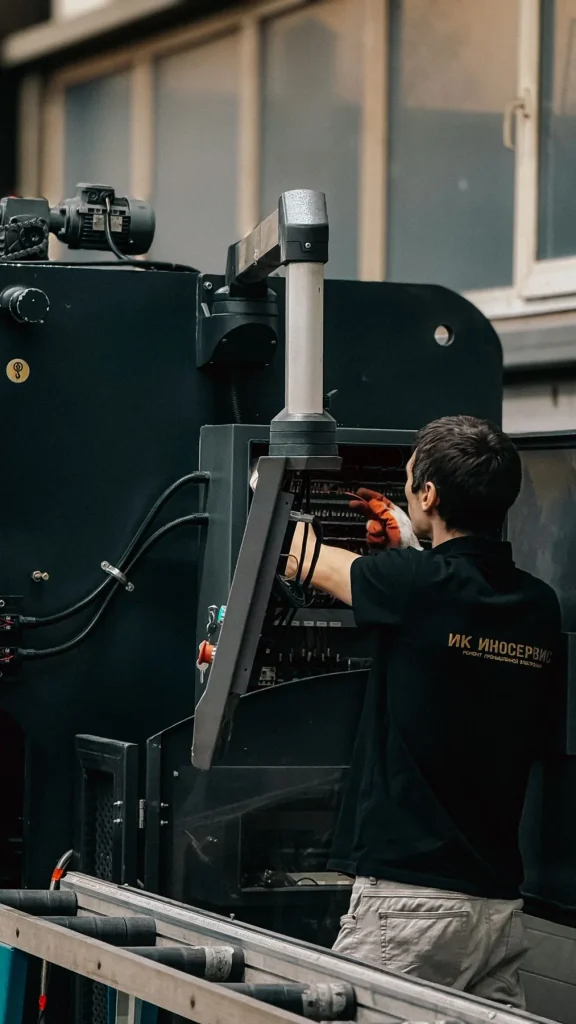
In safe conditions, record the overall appearance, packaging and visible labels before photographing details. The overall view provides context for any close-up that needs discussion.
Give each component its own item reference. Record packaging labels and part markings separately until their relationship is confirmed. Group the images by item so that later additions are easy to follow.
Photograph the detail that concerns you
Include markings, connections, mounting structures and the surface area in question. Use even lighting and another angle when reflections obscure a feature. Changes in light alone are not evidence of a part's condition.
Describe the specific location and what can be seen. Combine an overall view with a close-up so that the recipient can locate the feature accurately.
Separate visible features from performance
Photographs describe visible features; they do not establish internal condition, working performance or suitability. Keep information that cannot be confirmed as an open question.
Technical assessment may need equipment requirements, product information and professional inspection. The visual record supports that discussion, while any further testing should be determined by appropriate personnel.
Connect each image with the right product
Keep the item reference, image description and questions in one list. Identify supplementary photographs clearly so that the original view and later details remain distinguishable.
Share the overall and close-up photographs, the product reference and the area you want to discuss. Questions about performance or internal condition need relevant inspection information too. Clear visual records help begin that conversation.